Transform Your Interior: The Ultimate Guide to Choosing the Perfect Rooflight
In city settings, maximizing natural light can greatly influence the atmosphere of a room. Skylights deliver a range of benefits, from improving mood to raising property value. This overview covers essential elements to consider when selecting the ideal rooflight. It reviews designs, materials, and positioning strategies that can enhance interior spaces. Understanding these elements is essential for reaching well-informed decisions. Still, there is much more to uncover; valuable information on fitting and maintenance is yet to come.
The Key Benefits of Rooflights Explained
Natural light is a transformative element in any interior, and rooflights serve as an effective means to make the most of it. By permitting sunlight to stream into rooms, rooflights improve the ambience, generating a feeling of openness and spaciousness. This influx of natural light can greatly improve mood and productivity, leaving spaces feeling more welcoming.
In addition, rooflights contribute to energy efficiency by reducing the need for artificial lighting during daylight hours. This not only lowers electricity costs but also diminishes environmental impact. Properly installed rooflights can boost ventilation, supporting better air circulation and benefiting indoor air quality.
Additionally, rooflights can serve as architectural focal points, providing architectural interest and value to a home. When all is considered, the advantages of rooflights reach further than mere illumination; they enrich the overall living experience and promote a greener and more wholesome living space.
Rooflight Types and Designs
When selecting the perfect rooflight, one must consider the different styles and designs to choose from, as every choice can profoundly affect both visual appeal and practicality. Popular options include fixed rooflight designs, which provide a simple, contemporary look, and openable rooflights that permit airflow while introducing natural light. Larger, angled skylights, can serve as a striking centrepiece within a space.
Additionally, lantern rooflights present a multi-faceted design that enriches architectural interest while increasing sunlight. For period homes, vaulted or curved rooflights can match timeless full article styles, offering a fusion of functionality and style.
Moreover, contemporary designs frequently feature frameless configurations, establishing a fluid transition between interior and exterior areas. Each style presents unique advantages, making it crucial to select an option that complements the overall aesthetic while addressing particular lighting requirements.
Selecting Durable and Aesthetic Choices for Your Skylight
Picking the ideal materials for a rooflight impacts not just its resilience but also its visual appeal. Widely used materials encompass glass, polycarbonate, and acrylic, all providing distinct benefits. Superior reinforced or treated glass is favored for its clarity and strength, allowing natural light to flood in while providing superior insulation. Polycarbonate, on the other hand, is impact-resistant and lightweight, making it perfect for locations frequently experiencing harsh weather conditions. Its UV resistance preserves its clarity over the years, enhancing both durability and aesthetics. Acrylic is yet another alternative, valued for its versatility and affordability, though it may scratch more easily than glass. When choosing materials, one should also consider frame options, such as aluminum or wood, which can complement the overall design while ensuring structural integrity. Ultimately, the correct blend of materials will elevate both the performance and aesthetic appeal of the rooflight.
How to Fit Your Rooflight with Ease
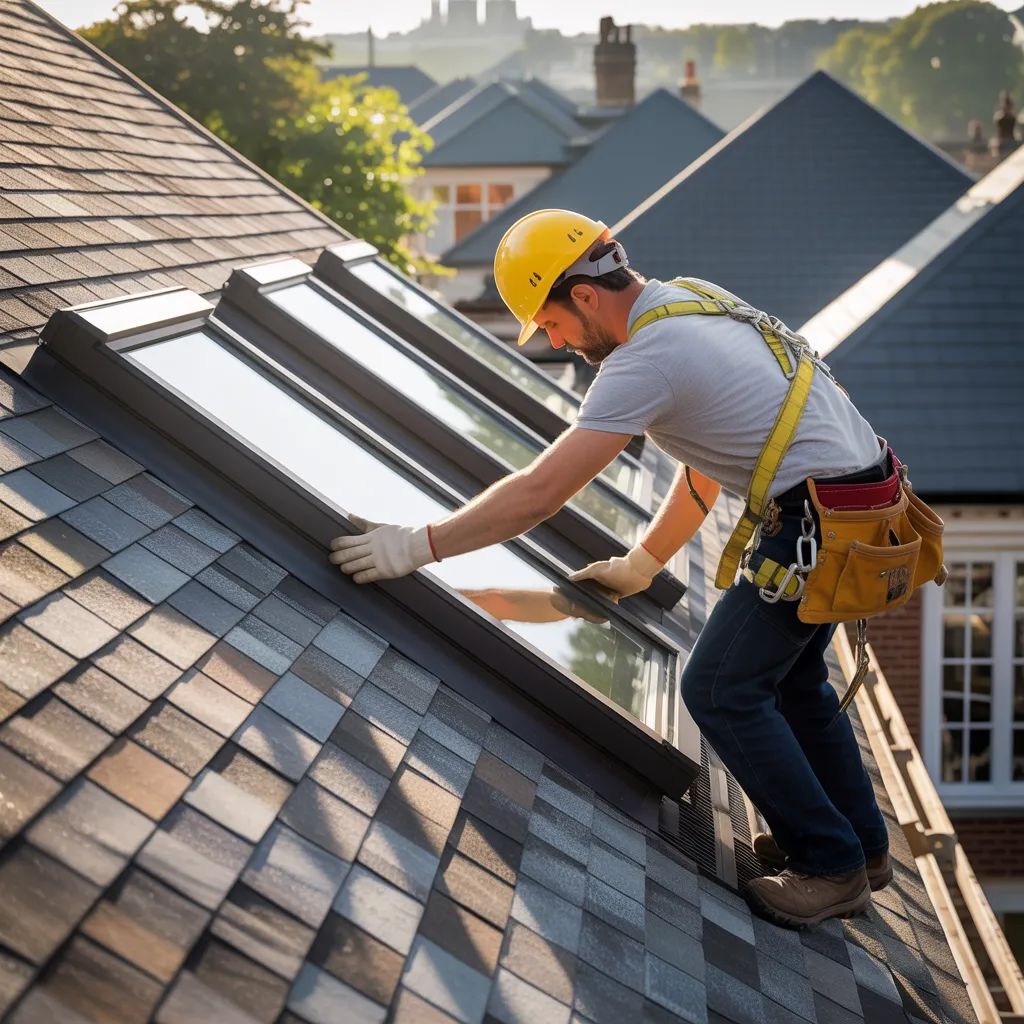
Fitting a rooflight requires meticulous consideration and precision to secure a smooth incorporation within the existing structure. To begin, it is crucial to evaluate the state of the roof and establish that it can support the new installation. Accurate measurements of the rooflight and the opening assist in avoiding any fitting issues.
Subsequently, making cuts to the roof structure must be carried out with great care, in accordance with manufacturer guidelines. It is recommended to use protective materials to keep debris from getting inside the home.
When the gap is prepared, the skylight structure should be positioned and secured, confirming it is level and watertight. Proper sealing with suitable flashing and materials will avoid water penetration.
Finally, interior finishing, such as trim and plastering, ought to be implemented to create a polished look. Implementing these measures ensures that the overhead glazing unit not only enhances light but also sustains both structural integrity and overall aesthetic appeal.
What Is the Best Location for Your Rooflight to Maximise Sunlight?
How can one determine the perfect position for a rooflight to optimise sun exposure? The direction the building faces plays a significant role; rooflights that face south typically capture the most sunlight during all daylight hours. In contrast, east-facing lights will capture the morning sunlight, while westward-facing rooflights make the most of afternoon rays.
The angle of the roof also affects light penetration; a greater slope could facilitate increased sunlight access, especially during colder months when the sun is lower in the sky. Furthermore, taking into account surrounding structures and trees is important, as they can create shade that limit light access.
Strategically placing rooflights in key areas like kitchens or living rooms maximises the influx of natural light, contributing to a more inviting atmosphere. In the end, considering these elements allows you to identify the ideal placement to capture the greatest amount of sunlight, ensuring a bright and uplifting environment.
Maintaining Your Rooflight: Upkeep Advice
Upkeeping a rooflight is important for ensuring its long-term effectiveness. Setting up a routine cleaning routine minimizes dirt accumulation, while regular examinations for defects ensure faults are corrected without delay. Through prioritizing these maintenance habits, householders can benefit from the value of their rooflight for many years ahead.
Consistent Cleaning Schedule
Although rooflights enhance natural light and energy efficiency, a regular cleaning schedule is essential to maintain their clarity and performance. Dust, dirt, and environmental contaminants can build up, blocking light transmission and reducing aesthetic appeal. It is advisable to clean rooflights at least twice a year, or more often in locations with elevated pollen or pollution levels. Employing a soft cloth and a mild, non-abrasive solution keeps the surface free from scratches. In hard-to-reach spots, a squeegee or extension pole might be required. Additionally, checking for signs of dirt buildup after storms or heavy winds can help in timely maintenance. Regular cleaning not only preserves visibility but also extends the lifespan of the rooflight, ensuring peak performance.
Inspect for Damage
Routine cleaning is just one part of rooflight upkeep; inspecting for damage is equally important. Homeowners should conduct routine inspections to identify potential issues that could compromise the rooflight's integrity. This encompasses examining for cracks, leaks, or any evidence of wear along the seals. Additionally, it is vital to examine the frame and surrounding structures for rust, rot, or other forms of deterioration. Weather conditions, particularly storms, can exacerbate damage, making timely inspections necessary. If any issues are detected, addressing them promptly can prevent more extensive repairs and maintain the rooflight's effectiveness. Consistent inspections not only improve the durability of the rooflight but also secure the best possible natural light and ventilation in the space.
Adding Rooflights To Your Home Design
Incorporating rooflights into residential design can significantly improve both appearance and performance. By allowing natural light to fill spaces, rooflights can produce an atmosphere of openness, making rooms seem more expansive and appealing. Carefully positioned rooflights can also enhance energy performance by minimising dependence on artificial light throughout the day.
When incorporating rooflights, evaluate the architectural style of the home. Sleek or minimalist properties may be well suited to clean, understated fixtures, while period properties might require more elaborate installations. Location is critical; positioning rooflights above principal living spaces or hallways maximizes their impact.
Additionally, integrating rooflights with shade control options, such as shutters or blinds, allows homeowners to manage light levels and preserve privacy. This considered pairing not only improves the aesthetic appeal but also supports a practical and pleasant home environment. In essence, rooflights serve as a powerful design element that elegantly unites aesthetics and practicality.
Frequently Asked Questions
What Are the Energy-Saving Advantages of Rooflights?
Rooflights enhance overall efficiency by optimizing natural illumination, reducing reliance on artificial lighting, and improving insulation. This results in decreased energy consumption, decreased utility expenses, and a lesser carbon footprint, promoting a sustainable living environment.
In What Ways Do Rooflights Impact Indoor Temperature Regulation?
Roof windows boost internal climate regulation by enabling natural light to penetrate, reducing reliance on artificial heating and cooling. This can contribute to a more balanced interior climate, supporting comfort while potentially decreasing energy demands.
Can Rooflights Assist in Reducing the Need for Artificial Lighting?
Rooflights are able to considerably reduce the need for artificial lighting by maximizing natural light entry. This improves interior brightness throughout daylight hours, permitting spaces to be well-lit without placing heavy demands on electric lighting, which ultimately supports improved energy efficiency.
What Building Regulations Govern Rooflight Installations?
Building codes for skylight installations commonly encompass structural soundness, thermal performance, and safety specifications. Compliance guarantees sufficient natural light, ventilation, and reduced energy consumption while conforming to local planning permissions and building codes for domestic or commercial buildings.
What Safety Concerns Exist With Rooflights?
Yes, safety concerns with rooflights include potential structural weaknesses, glass breakage, and improper installation. These issues can lead to accidents, water leakage, and energy inefficiency, necessitating careful selection and professional installation to mitigate risks.